
Trigger
Scheduled route, operator request, alarm, sensor event or emergency dispatch.
Connect aircraft, docks, command software and people into one dependable workflow—from scheduled inspection to rapid remote response.
Remote operations move the pilot and decision-makers away from the launch site without removing operational responsibility. A successful program combines the right aircraft, launch method, control platform, network, data workflow, trained team and Canadian authorization.
Scheduled route, operator request, alarm, sensor event or emergency dispatch.
Authorize launch, supervise flight and manage exceptions through the approved workflow.
Collect repeatable visual, thermal, mapping or situational-awareness data.
Deliver live intelligence, reports, alerts or records to the people who need them.
Remote flight matters when faster access, repeatability or centralized oversight improves the result.
Define what should trigger a mission, how quickly the aircraft must respond, what the sensor must capture, who supervises the flight and what happens after the data arrives.
Launch from a prepared site to provide live scene intelligence for public safety, security or urgent asset events.
Build a Response PackageRepeat visual, thermal and zoom routes over utilities, plants, rooftops, solar assets and industrial infrastructure.
Plan an Inspection ProgramSchedule progress capture, mapping, inventory records and site documentation from consistent positions.
Configure Site MonitoringDesign connected operations for roads, rail, pipelines, powerlines and distributed infrastructure.
Request a Coverage ReviewRepeat approved routes over forests, shorelines, restoration areas and remote sites to track change over time.
Discuss the MissionCentralize aircraft status, users, mission records, media and operating visibility across locations.
Design a Fleet WorkflowCompare software-led fleet management, fixed-site autonomy and alternative enterprise ecosystems.
These are starting directions, not one-size-fits-all bundles. Final configuration depends on the mission, sensor, launch model, network, data policy, aircraft eligibility, operating environment and Canadian authorization.
Cloud-based operations management for mission planning, remote control, live information sharing, fleet oversight, media handling and supported third-party integrations.

A current DJI remote-operations package supporting fixed installation or vehicle-mounted deployment with Matrice 4D or 4TD and FlightHub 2.

A compact fixed-site direction for recurring mapping, visual inspection or thermal monitoring with Matrice 3D or 3TD and DJI’s cloud workflow.

A remote-flight ecosystem combining Skydio X10 autonomy, browser-based Remote Ops and a field dock for scheduled missions or rapid response.
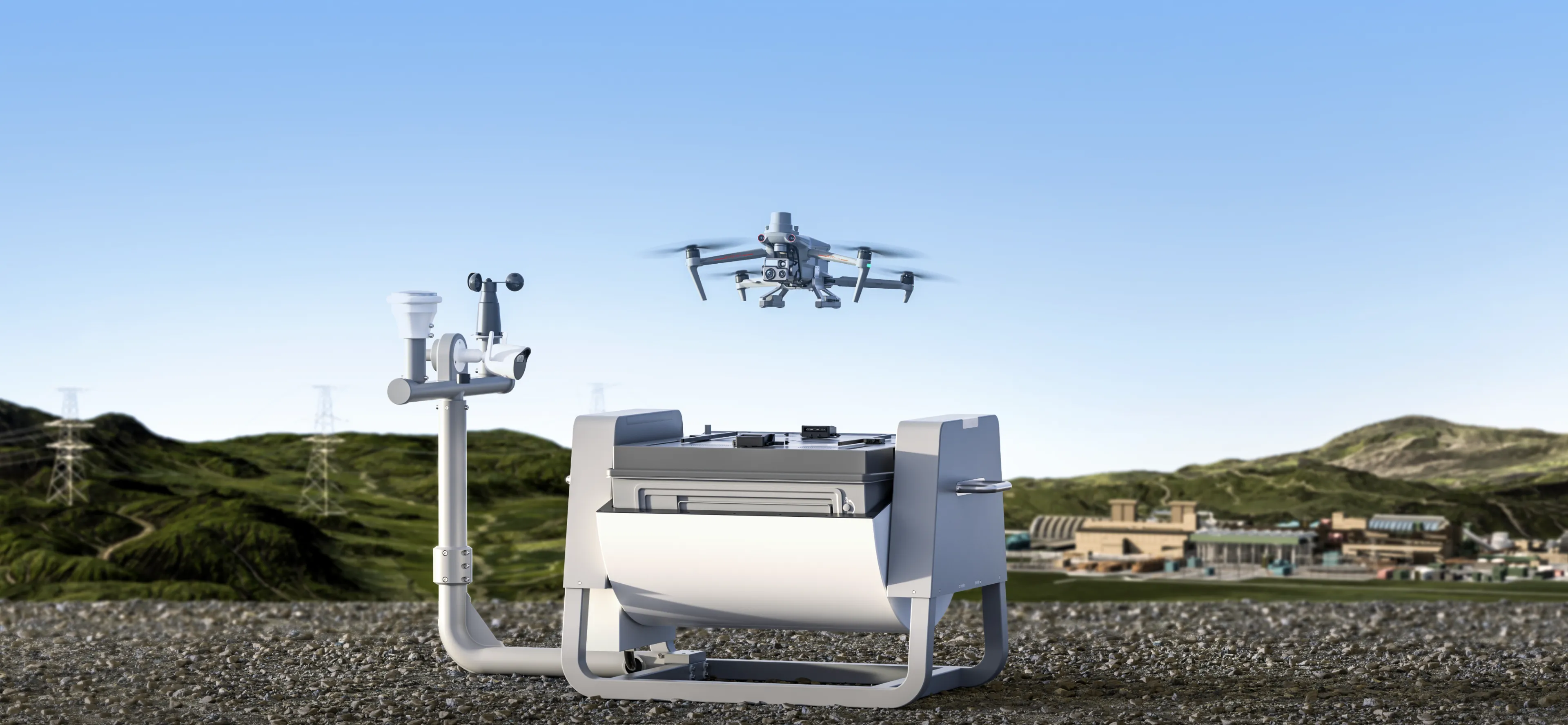
An alternative remote-operation direction combining compatible Autel aircraft, EVO Nest and centralized task, equipment, live-video and mission management.
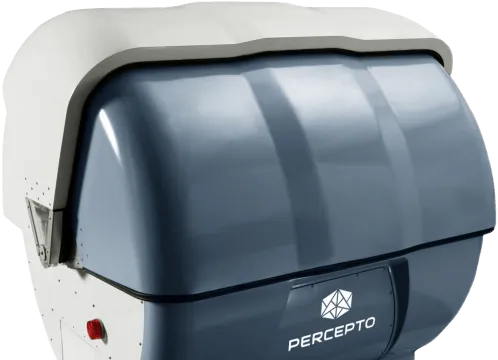
An industrial inspection ecosystem linking remote aircraft management, rugged field infrastructure, automated capture and asset-focused analytics.
The permitted operating model depends on the aircraft, airspace, people, location, command-and-control links, supervision, procedures and Canadian regulatory pathway. Design the operation before committing to hardware.
Value comes from the connected workflow—not one product.
Every layer should be tested together under normal conditions, degraded conditions and documented contingency procedures.
Choose handheld launch, fixed dock or mobile dock with the visual, thermal, mapping or specialized sensor required.
Plan remote control, missions, users, alerts, media, audit records and integrations.
Validate primary and backup networks, latency, power, security, weather and maintenance access.
Define remote-pilot roles, launch authority, supervision, airspace, lost-link response and approvals.
Route useful outputs to stakeholders and maintain software, aircraft, batteries, docks, networks and training.
Remote operations can begin before a fully docked multi-site program.
Select the least complex model that reliably achieves the business outcome, then add automation and scale when the workflow is proven.
| Operating Model | How It Works | Best Fit | Confirm Before Purchase |
|---|---|---|---|
| Connected Field Pilot | An on-site pilot flies while remote stakeholders receive live information and centralized records. | First-stage digital operations, inspections and incident support. | Aircraft compatibility, network, user permissions, data storage and live-sharing needs. |
| Remote Flight From a Prepared Site | A field team prepares or launches the aircraft while an approved remote operator supervises the mission. | Repeatable work where a dock is not yet justified. | Handover procedure, visual-observer model, command link, site access and authorization. |
| Fixed Dock Program | A dock keeps a compatible aircraft protected, charged and ready for scheduled or requested missions. | Recurring inspection, monitoring, security and response coverage. | Coverage, sensor, power, network, weather, site work, maintenance and regulatory path. |
| Mobile Dock Deployment | A supported dock and aircraft deploy from a vehicle or temporary operating location. | Incident response, changing work sites and mobile field teams. | Mounting, setup controls, route planning, connectivity, procedures and permitted use. |
| Multi-Site Remote Fleet | A central team oversees multiple aircraft or docks through a shared command and data platform. | Utilities, industrial networks, public safety and distributed assets. | Staffing ratio, roles, alerts, airspace, data governance, maintenance and escalation. |
Prove the mission and operating workflow before scaling the fleet.
A phased deployment exposes coverage, network, staffing, data and approval issues while changes remain manageable.
Document the trigger, response time, route, sensor, deliverable, frequency and success criteria.
Review coverage, airspace, people, terrain, obstacles, weather, security, power and network.
Select the aircraft, dock or launch method, command platform, connectivity, data flow and support plan.
Train the team, test representative missions, degraded conditions and contingency procedures.
Confirm reliability, response, data value, operating cost and compliance before adding sites or aircraft.
Remote-control capability does not decide which flight privileges apply.
The operating category depends on what you fly, how you fly and where you fly. Some lower-risk BVLOS operations may fit Level 1 Complex when all applicable conditions are met; pilots must hold the required certificate and fly under an RPAS Operator Certificate. Operations beyond Basic, Advanced or Level 1 Complex rules may require an SFOC-RPAS.
Important questions before buying software, aircraft or field infrastructure.
It is an operation in which command, supervision, mission management or data access occurs away from the aircraft’s launch site. The exact arrangement can range from an on-site pilot sharing live information to an approved remote team supervising docked aircraft across multiple locations.
No. A program may begin with handheld aircraft, an on-site launch team and remote command or information sharing. A dock becomes valuable when the aircraft must remain protected, charged and ready at a recurring site.
Some platforms support multi-aircraft or multi-site management, but the permitted staffing model depends on the system, procedures, workload, operating environment and authorization. Do not assume software capability alone makes a one-to-many operation legal or safe.
Requirements vary by platform and workflow. Live control and video typically need stable bandwidth, acceptable latency and a documented response to network degradation or loss. Test primary and backup connections at the exact site.
Potentially, but aircraft, dock, power, network and maintenance plans must fit the real temperature, wind, precipitation, icing, snow, access and seasonal conditions. Published environmental ratings are only one part of site readiness.
No. Remote-control capability and regulatory authority are separate. The operation must fit the applicable Canadian category and conditions, including pilot, operator, aircraft, airspace, location and procedural requirements.
Include the aircraft and sensor, dock or launch equipment, command software, licenses, connectivity, site work, installation, training, regulatory preparation, data integrations, protection plans, spares, maintenance and ongoing support.
Yes. Start with the mission, sites, response or inspection objective, sensor, network, data users and timeline. The solution can then be narrowed to the appropriate platform, deployment path and support scope.
Share the mission, proposed sites, required sensor, response time, flight frequency, connectivity, data workflow and deployment timeline. We will help turn those requirements into a practical remote-operations package.
